



Logistics in crisis: Why your productivity bonuses no longer motivate your pickers (and how to fix it)
 ArthurCoFounder
Estimated reading time: 6 minutes
In France, the logistics sector is facing an invisible but devastating storm. On one hand, there is an explosion in omnichannel demand requiring flawless pace in warehouses. On the other, a chronic labor shortage. According to indicators from the BMO survey by France Travail, logistics and transport jobs consistently rank among the roles where recruitment is considered “very difficult” by companies due to a lack of candidates (Source: France Travail - Statistics and Analyses of Labor Needs).
Faced with this massive turnover and the systematic use of temporary workers—which undermines team cohesion and drives up training costs—the traditional response from site managers has always been financial: the performance or productivity bonus. The equation seemed simple: the more parcels a picker prepares per hour, the higher their bonus, and the more loyal they remain to the company.
Yet, on the ground, this mechanism is breaking down. Why? Because a perverse macroeconomic effect, born from the very structure of social benefits in France, is neutralizing employers’ efforts.
- The mechanism of discord: Activity bonus vs. On-the-ground performance
To understand why some pickers are disengaged from financial incentives, you need to look at the legislation surrounding the Activity Bonus paid by the CAF. Designed to encourage low-wage earners to keep or return to work, it follows a complex quarterly calculation formula:
Bonus Amount = (Base flat-rate amount + 61% of professional income) − All household resources
The critical variable in this equation lies in the deduction of resources. Since the introduction of the “Net Social Salary,” the CAF automatically and pre-fills all income received by the employee, including overtime, attendance bonuses, and... productivity bonuses.
The average salary of an entry-level order picker in France generally ranges between the minimum wage and €1,700 net, meaning the vast majority of on-the-ground teams fall exactly within the eligibility range for this state aid. This is where the “low-wage trap” closes.
- The threshold effect: The harsh calculation for the employee
Let’s imagine a single, high-performing order picker who puts in extra physical effort to meet their picking targets. At the end of the month, the company pays them a €150 productivity bonus to reward their performance.
Here’s the real impact of this reward on their budget for the following quarter:
Indicator | Scenario A: without bonus | Scenario B: with productivity bonus |
|---|---|---|
Net salary paid by the company | €1,450 | €1,600 (+€150) |
Estimated activity bonus (CAF) | ~ €230 | ~ €171 |
Total available income | €1,680 | €1,771 |
Net real gain for the employee | - | + €91 (instead of the €150 paid) |
The fiscal paradox : For every €100 of bonus earned through hard work, the public service’s sliding scale mechanism reduces the employee’s activity bonus by nearly €39. The extra physical effort provided by the picker actually brings them only a fraction of what the company spends on them (Source for simulation: Caf.fr - Official Activity Bonus Simulator).
This phenomenon can create a legitimate sense of discouragement among workers. Managers sometimes observe a rational but problematic behavior: operators self-regulate to stay just below the bonus-triggering thresholds, preferring to preserve their physical health and state benefits rather than exhaust themselves for a marginal net gain.
- Moving beyond monetary bonuses: The lever of operational optimization
Since the raw financial lever is partly confiscated by social structure effects, supply chain managers must urgently activate another lever for loyalty and motivation: reducing arduousness and improving working conditions.
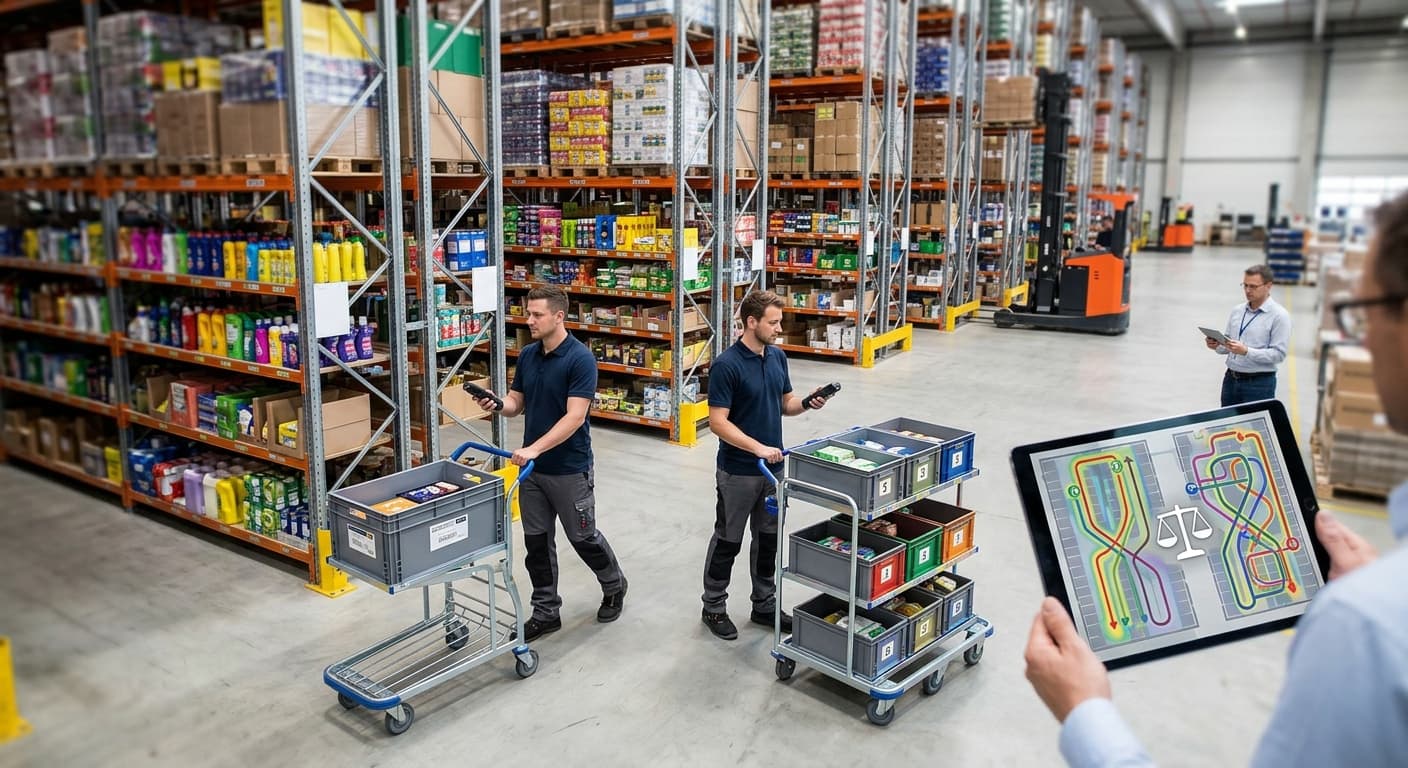
In a warehouse, an order picker covers on average between 10 and 15 kilometers per day, while carrying several tons of cumulative loads. If the bonus no longer fairly compensates for fatigue, then it’s the fatigue itself that must be eliminated.
Optimizing Picking and Slotting as a retention tool
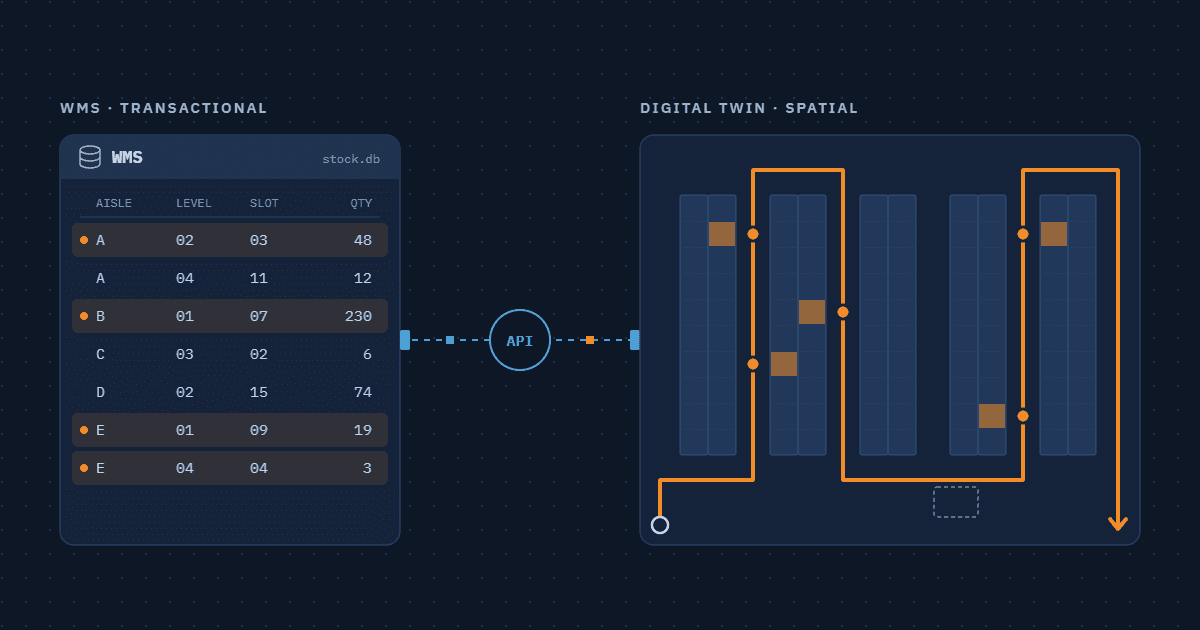
This is where technology is redefining the rules of the game. By intelligently optimizing product placement (slotting) and the sequencing of picking waves (picking), the company directly impacts the daily life of its teams:
- Drastic reduction in distances : An efficient picking algorithm can reduce by up to 30% the kilometers traveled each day by each operator. Less unnecessary walking means less fatigue at the end of the shift.
- Workstation ergonomics : Placing high-turnover products (“Fast Movers”) at waist and eye level avoids repeated bending and stretching, limiting Musculoskeletal Disorders (MSDs).
- Reduced mental load : Smooth, logical, and guided picking routes eliminate the stress of route errors or the tedious search for poorly placed products.
Conclusion: The efficient warehouse, the new pillar of employer branding
Attracting and retaining supply chain talent is no longer just about escalating financial bonuses that are eroded by threshold effects. The real HR performance of a warehouse now lies in its ability to provide an intelligent, streamlined, and physically respectful work environment for employees.
Investing in a software solution for picking and slotting optimization is no longer just an industrial ROI decision: it’s also a strategic choice for management and retention. By simplifying on-the-ground processes, you restore value to your operators’ work, where fiscal mechanisms had made it less visible.